


Discy Latest Questions



The terms “Psychologist” and “Therapist” are often used interchangeably, but they can refer to different types of professionals depending on the context. Here’s a general distinction: Psychologist : A psychologist is a professional who has earned a doctoral degree (Ph.D. or ...Read more
The terms “Psychologist” and “Therapist” are often used interchangeably, but they can refer to different types of professionals depending on the context. Here’s a general distinction:
Psychologist : A psychologist is a professional who has earned a doctoral degree (Ph.D. or Psy.D.) in psychology. Psychologists study human behavior and mental processes and are trained to assess, diagnose, and treat mental health disorders. They typically provide psychotherapy, which involves talk therapy and various therapeutic techniques. Psychologists can specialize in different areas such as clinical psychology, counseling psychology, neuropsychology, or research.
Therapist : The term “therapist” is a broader and more inclusive term that encompasses various mental health professionals. Therapists can have different educational backgrounds and qualifications. They may include psychologists, psychiatrists, licensed clinical social workers (LCSWs), licensed professional counselors (LPCs), and marriage and family therapists (MFTs). Therapists can offer counseling and psychotherapy services to individuals, couples, families, or groups. They may specialize in different approaches or modalities of therapy, such as cognitive – behavioral therapy (CBT), psychodynamic therapy, or family systems therapy. For example, Deborah Beriro – LMHC (Licensed Mental Health Counselor) is an accomplished therapist in Palm Beach Gardens.
In summary, all psychologists can be considered therapists, but not all therapists are psychologists. Psychologists specifically hold a doctoral degree in psychology and often provide psychotherapy. Therapist is a more general term that encompasses various mental health professionals who provide counseling and therapy services.
For more information, please visit: https://therapistpalmbeachgardens.com/
Read less
I remember how energized many Kenyans were about President Ruto’s “Hustler Nation” promise during the campaigns. But now, the #RutoMustGo movement seems to be gaining ground, especially among the youth. What exactly went wrong? Is it about broken promises, rising ...Read more
I remember how energized many Kenyans were about President Ruto’s “Hustler Nation” promise during the campaigns. But now, the #RutoMustGo movement seems to be gaining ground, especially among the youth. What exactly went wrong? Is it about broken promises, rising taxes, or deeper governance issues? I’d love to hear different perspectives, especially from those who supported him before.
Read less

During President William Ruto’s 2025 state visit to China, Kenya signed 20 strategic agreements aimed at deepening cooperation in areas such as infrastructure, transport, trade, technology, education, and health. Key highlights include the extension of the Standard Gauge Railway, direct ...Read more
During President William Ruto’s 2025 state visit to China, Kenya signed 20 strategic agreements aimed at deepening cooperation in areas such as infrastructure, transport, trade, technology, education, and health. Key highlights include the extension of the Standard Gauge Railway, direct flights between Nairobi and Beijing, enhanced agricultural exports to China, and collaboration on Kenya’s digital economy and universal health coverage. The agreements also touch on defense cooperation, vocational training, pharmaceutical manufacturing, and the development of Special Economic Zones. These moves reflect a major pivot towards China as Kenya seeks to diversify its development partnerships amid shifting global alliances.
Overview…
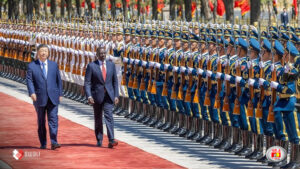
Kenya-China Agreements Overview
- Infrastructure Development
- Standard Gauge Railway (SGR) Extension: Plans to extend the SGR from Naivasha to Malaba, enhancing regional connectivity.
- Road Projects: Upgrades to the Nairobi-Nakuru-Mau Summit highway, Eldoret and Kiambu bypasses, and the construction of the Nithi Bridge.
- Rural Roads: Construction of 15 rural roads through a RMB 2 billion credit facility from China Development Bank.
- 2. Transportation and Connectivity
- Direct Flights: Exploration of direct flights between Nairobi and Beijing to boost economic and cultural ties.
- Intelligent Transport System: Implementation of Nairobi’s Intelligent Transport System to improve urban mobility.
- 3. Trade and Economic Cooperation
- Agricultural Exports: China agreed to grant greater access to Kenyan agricultural products, including tea, coffee, avocados, and macadamia nuts.
- Special Economic Zones: Establishment of a Special Economic Zone in Kilifi County focusing on manufacturing and processing.
- 4. Education and Technology
- Vocational Training: Support for Technical and Vocational Education and Training (TVET) programs to enhance skills development.
- Digital Economy: Collaboration on Kenya’s National Digital Superhighway Programme and support for Konza Technopolis initiatives.
- Health and Pharmaceuticals
- Universal Health Coverage (UHC): Grants to bolster Kenya’s UHC efforts, including hospital infrastructure improvements.
- Pharmaceutical Manufacturing: Investment in local pharmaceutical manufacturing to ensure medicine and vaccine availability.
- 6. Security and Law Enforcement
- Policing Cooperation: Strengthening ties to combat transnational crimes such as human trafficking, drug smuggling, and cybercrime.
- Defense Collaboration: Agreements on personnel training, defense industry cooperation, and counterterrorism measures.
- 7. Financial Cooperation
- Panda Bonds: Exploration of issuing Panda Bonds to diversify Kenya’s financing sources.
- Asian Infrastructure Investment Bank (AIIB): Kenya’s membership in AIIB to access concessional financing for infrastructure and climate change projects.
- 8. Agriculture and Food Security
- Galana Kulalu Project: Collaboration on the Galana Kulalu Food Security Project to enhance agricultural productivity.
- Agricultural Investments: Chinese companies investing in large-scale poultry projects and aloe cultivation in various counties.
- Renewable Energy and E-Mobility
- Renewable Energy: Encouragement of Chinese private sector investment in renewable energy and e-mobility sectors.
- Smart Traffic Components: Development of a smart traffic components hub in Mombasa and a factory in Murang’a.
- 10. Cultural and Creative Economy
- Creative Economy: Support for Kenya’s creative economy initiatives, including the development of the hospitality sector to make Nairobi a regional convention hub.
- These agreements signify a strategic shift in Kenya’s foreign relations, emphasizing infrastructure development, economic growth, and technological advancement through strengthened ties with China.
Read less


Admin
- Digital marketing, software developer.
Poll Results
Which Turbo SUV Would You Choose
For years, Kenyan car enthusiasts have argued about many SUVs, but few battles spark as much emotion as the ...Read more
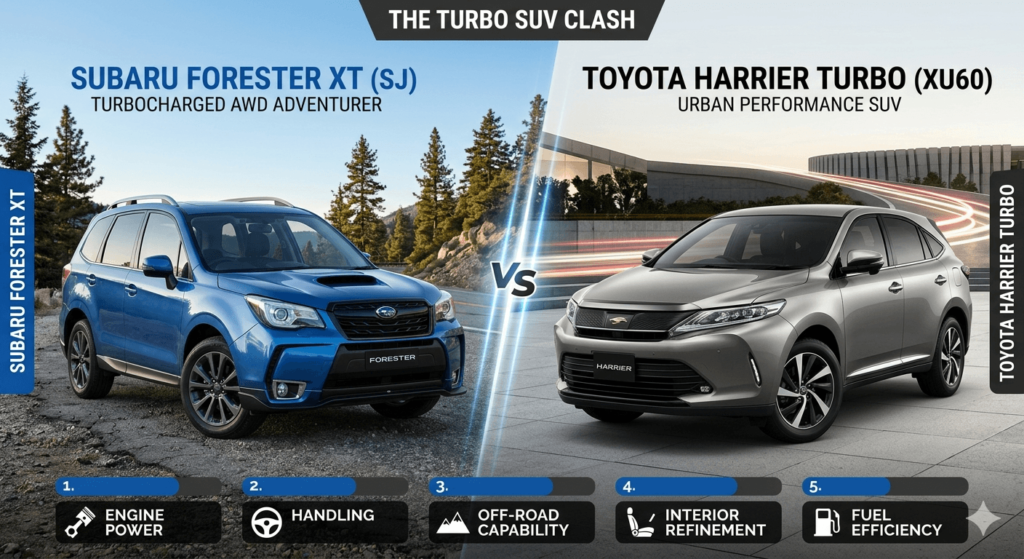
For years, Kenyan car enthusiasts have argued about many SUVs, but few battles spark as much emotion as the Subaru Forester XT vs Toyota Harrier Turbo debate. Mention either of these cars at a car wash, along Kiambu Road, or during a road trip to Naivasha and everyone suddenly becomes an expert. Forester XT owners will tell you nothing beats the thrill of turbo power combined with Subaru’s legendary AWD system, while Harrier Turbo fans insist Toyota perfected the balance between speed, comfort, luxury, and reliability.
The truth is, both SUVs are fast, capable, and respected in Kenya. But they appeal to very different drivers. One is the aggressive performance enthusiast’s SUV, while the other is the refined executive turbo SUV. So instead of blind brand loyalty, let’s properly break down fuel consumption, turbo performance, maintenance, comfort, resale value, and real Kenyan ownership experience to finally settle the score.
Quick Verdict
- Choose the Subaru Forester XT if you want raw performance, sporty handling, strong AWD capability, and an exciting driving experience.
- Choose the Toyota Harrier Turbo if you want luxury, comfort, smoother daily driving, and easier long-term ownership.
Detailed Comparison
| Feature | Subaru Forester XT | Toyota Harrier Turbo |
|---|---|---|
| Engine Performance | Aggressive & sporty | Smooth & refined |
| Fuel Economy | Moderate to poor | Better |
| Maintenance Cost | Higher | Moderate |
| AWD Capability | Excellent | Good |
| Comfort | Good | Excellent |
| Highway Stability | Excellent | Excellent |
| Spare Parts Availability | Moderate | Easily available |
| Resale Value | Moderate | Excellent |
| Nairobi Traffic Comfort | Good | Excellent |
| Enthusiast Appeal | Very High | High |
1. Performance and Turbo Experience
This is where the Forester XT earns its reputation.
The Forester XT feels quick, aggressive, and eager to accelerate. Turbo boost kicks in hard, especially during overtaking or highway pulls. On roads like Nairobi–Nakuru Highway, the XT can feel genuinely exciting to drive.
The Subaru AWD system also gives the XT:
- excellent grip,
- confident cornering,
- and strong stability during rainy conditions.
The Harrier Turbo is also fast, but delivers power differently.
Instead of aggressive acceleration, the Harrier Turbo focuses more on:
- smooth power delivery,
- refined acceleration,
- quiet cruising,
- and effortless overtaking.
The Harrier feels more premium and controlled, while the Forester XT feels more playful and sporty.
2. Fuel Consumption in Kenya
Turbo SUVs are rarely fuel savers, but the Harrier Turbo generally performs better in fuel economy.
Estimated Fuel Consumption
| Vehicle | Average Consumption |
|---|---|
| Forester XT | 6–9 km/l |
| Harrier Turbo | 8–11 km/l |
The Forester XT can become quite thirsty in Nairobi traffic, especially when driven aggressively.
Most XT owners eventually admit:
“The car is addictive to drive.”
And that usually means more fuel consumption.
The Harrier Turbo still consumes fuel, but it tends to be more manageable for daily use.
3. Maintenance and Reliability
This is one of the biggest deciding factors in Kenya.
Subaru Forester XT
The XT is rewarding when properly maintained, but neglect can become expensive very quickly.
Common owner concerns include:
- turbo wear,
- CVT issues on poorly maintained units,
- suspension wear,
- expensive genuine parts.
The car requires:
- quality oil,
- proper servicing,
- and disciplined maintenance.
Toyota Harrier Turbo
The Harrier Turbo is generally easier to live with long-term.
Advantages include:
- easier access to parts,
- more mechanics familiar with Toyota systems,
- lower maintenance stress,
- stronger long-term reliability perception.
For buyers seeking peace of mind, the Harrier Turbo usually feels safer.
4. Comfort and Interior Experience
The Harrier clearly targets luxury-oriented buyers.
Inside the Harrier Turbo, you get:
- a quieter cabin,
- softer ride quality,
- premium interior feel,
- better comfort during traffic.
The Forester XT cabin is practical and sporty, but not as premium as the Harrier.
Long-distance trips in the Harrier often feel more relaxed and executive.
The XT keeps the driver more engaged and connected to the road.
5. Performance on Kenyan Roads
Forester XT Strengths
- Rough roads
- Muddy conditions
- Rainy weather driving
- Spirited highway driving
- Hilly terrain
Harrier Turbo Strengths
- Nairobi city driving
- Family comfort
- Long highway cruising
- Premium daily driving
- Executive appeal
If you frequently drive on rough terrain or enjoy spirited driving, the XT has the advantage.
If your driving is mostly urban and highway comfort-focused, the Harrier Turbo wins.
6. Resale Value in Kenya
Toyota still dominates resale value in Kenya.
The Harrier Turbo benefits from:
- wider market demand,
- stronger Toyota reputation,
- easier resale.
The Forester XT has passionate buyers, but resale depends heavily on condition and maintenance history.
Poorly maintained XTs are difficult to sell because buyers fear repair costs.
7. Nairobi Street Reputation
This matters more than many people admit.
Subaru Forester XT Reputation
- Fast
- Aggressive
- Enthusiast-driven
- “Sleeper SUV”
- Loved by performance fans
Toyota Harrier Turbo Reputation
- Executive
- Premium
- Mature
- Luxurious
- Status-oriented
The XT attracts drivers who enjoy performance culture.
The Harrier attracts buyers who want luxury and presence.
Final Verdict
The Subaru Forester XT is the more exciting SUV. It offers stronger driving engagement, sharper handling, and better AWD performance. For enthusiasts, few SUVs in Kenya deliver the same fun-to-price ratio.
The Toyota Harrier Turbo, however, is the more balanced everyday SUV. It combines turbo performance with comfort, refinement, better fuel economy, easier ownership, and stronger resale value.
Choose the Forester XT If You Want:
- thrilling performance,
- sporty handling,
- strong AWD capability,
- enthusiast driving experience.
Choose the Harrier Turbo If You Want:
- comfort,
- luxury,
- easier maintenance,
- smoother daily ownership,
- better resale value.
At the end of the day, both SUVs are excellent — the real difference is whether you prioritize excitement or comfort.
Related Questions
- Is Forester XT expensive to maintain in Kenya?
- Which Harrier engine is most reliable?
- Forester XT fuel consumption in Nairobi
- Best turbo SUV under Ksh 3 million in Kenya
- Harrier Turbo vs Mazda CX-5 Turbo
- Most reliable Subaru engine in Kenya
What Has Your Ownership Experience Been Like?
If you have owned either the Subaru Forester XT or Toyota Harrier Turbo, share your experience:
- fuel consumption,
- maintenance costs,
- reliability,
- road trips,
- repair costs,
- and overall ownership experience.
Your feedback could help another Kenyan buyer make the right decision.
Read less